The Ultimate Guide To Framing Streets
Table of ContentsUnknown Facts About Framing StreetsThe Greatest Guide To Framing StreetsWhat Does Framing Streets Mean?Framing Streets Fundamentals ExplainedFraming Streets Things To Know Before You Get This9 Simple Techniques For Framing Streets
Digital photography style "Crufts Pet Program 1968" by Tony Ray-Jones Street digital photography (likewise sometimes called honest digital photography) is digital photography conducted for art or questions that includes unmediated chance experiences and arbitrary cases within public areas, generally with the purpose of capturing photos at a definitive or touching moment by careful framework and timing. 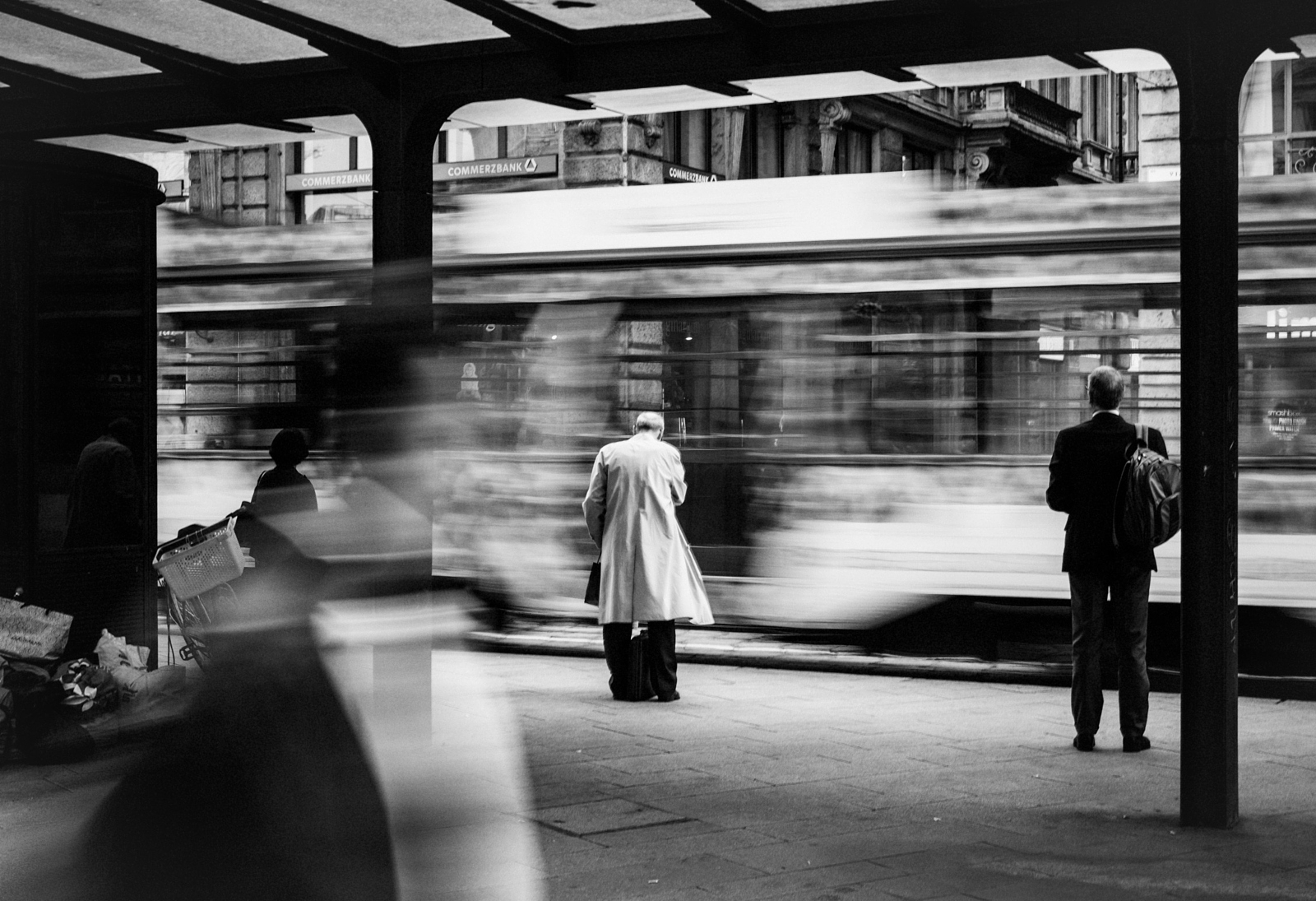
Some Known Questions About Framing Streets.
Susan Sontag, 1977 Road digital photography can concentrate on individuals and their habits in public. In this respect, the road digital photographer is comparable to social docudrama digital photographers or photographers that likewise work in public locations, but with the aim of capturing newsworthy events. Any one of these photographers' images might record people and property noticeable within or from public places, which typically involves navigating moral issues and regulations of privacy, security, and building.
Depictions of everyday public life develop a style in almost every duration of world art, beginning in the pre-historic, Sumerian, Egyptian and early Buddhist art periods. Art managing the life of the road, whether within views of cityscapes, or as the leading theme, shows up in the West in the canon of the North Renaissance, Baroque, Rococo, of Romanticism, Realism, Impressionism and Post-Impressionism.
About Framing Streets
Louis Daguerre: "Boulevard du Holy place" (1838 or 1839) In 1838 or 1839 the very first photograph of figures in the road was taped by Louis-Jacques-Mand Daguerre in among a pair of daguerreotype views extracted from his studio home window of the Blvd du Holy place in Paris. The second, made at the elevation of the day, reveals an uninhabited stretch of street, while the other was taken at regarding 8:00 am, and as Beaumont Newhall reports, "The Boulevard, so regularly full of a moving bunch of pedestrians and carriages was perfectly singular, except a person that was having his boots cleaned.
, that was motivated to undertake a similar documents of New York City. As the city developed, Atget assisted to promote Parisian streets as a worthy subject for digital photography.
What Does Framing Streets Do?
In between 1946 and 1957 Le Groupe des XV every year displayed work of this kind. Andre Kertesz. Circus, Budapest, 19 May 1920 Road digital photography formed the significant web content these details of 2 exhibitions at the Gallery of Modern Art (Mo, MA) in New york city curated by Edward Steichen, 5 French Professional Photographers: Brassai; Cartier-Bresson, Doisneau, Ronis, Izis in 1951 to 1952, and Post-war European Photography in 1953, which exported the concept of road photography internationally.

The Ultimate Guide To Framing Streets
, then an instructor of young youngsters, connected with Evans in 193839.'s 1958 publication,, was significant; raw and commonly out of focus, Frank's pictures examined conventional digital photography of the time, "challenged all the formal rules laid down by Henri Cartier-Bresson and Pedestrian Evans" and "flew in the face of the wholesome pictorialism and wholehearted photojournalism of American magazines like LIFE and Time".